

Vehicle transport Chicago plans succeed or fail on one season: winter. A fleet that moves smoothly in July can stall in January when lake-effect snow, ice, and strong wind hit the same interstates at once. Chicago is also the busiest crossroads in the Midwest, with industrial corridors and rail yards that make it a natural starting point for moves across the country. This guide covers 4 moves that keep a Chicago fleet job on schedule.
Why Vehicle Transport Chicago Needs a Midwest Plan
Chicago sits where east-west and north-south freight meet. Interstates fan out in every direction, and the region is one of the largest rail hubs in the country. That makes it a strong place to start or finish a fleet move, and it explains why so many truck delivery Midwest jobs pass through the metro area.
The hub effect has a cost. Heavy truck volume, construction seasons, and brutal winter weather all compete for the same roads. Good vehicle transport Chicago planning treats the calendar as seriously as the map, because the same route can take very different amounts of time depending on the month.
Quick Answer
Vehicle transport Chicago works best when you pick the right corridor for your destination, build winter weather into the schedule, prepare vehicles for cold starts, and use the metro area as a hub for longer trips. A partner that documents every unit and manages the route actively makes the job easier to control.
Move 1: Know the Industrial Corridors
Four highways carry most commercial traffic in and out of the metro area. Interstate 90 runs northwest toward Wisconsin and east through Indiana toward Ohio. Interstate 94 heads north toward Milwaukee and east toward Detroit. Interstate 80 crosses the south side and runs west toward Iowa. Interstate 55 leads southwest toward St. Louis.
Choose the corridor before you choose the day. Fleet transport Chicago teams run every week often find that one corridor is clearly better for a given destination, and that the best choice changes with traffic and weather. Industrial areas around the city also have their own truck traffic, so confirm which approach road the receiving yard uses.
Receiving sites in the metro area often sit inside busy industrial parks with set gate hours and tight turning space. Share the address, contact, and delivery window with your transport partner in advance. Clear details at the receiving end are a basic part of vehicle transport Chicago teams can rely on, and they prevent the late-day delays that cost the most time.
Move 2: Plan the Route Around Winter
Winter is the main challenge for vehicle transport Chicago businesses face each year. Lake-effect snow, blowing wind, and freezing rain can reduce visibility and close lanes with little warning. Short daylight hours also leave less time for driving, so a trip that takes one day in summer may need more in winter. Plan for darkness at both ends of the day, and set daily mileage that a driver can cover safely in cold, slow traffic.
Build extra time into every cold-season schedule and check forecasts along the whole route, not only in Chicago. You can follow conditions through the National Weather Service Chicago forecast office. When a storm is likely, moving the pickup by a day or choosing a different corridor usually costs less than waiting on a closed highway. Driveaway services Illinois fleets depend on in winter are the ones that adjust plans early, not after the first closure.
Move 3: Get Vehicles Ready for the Cold
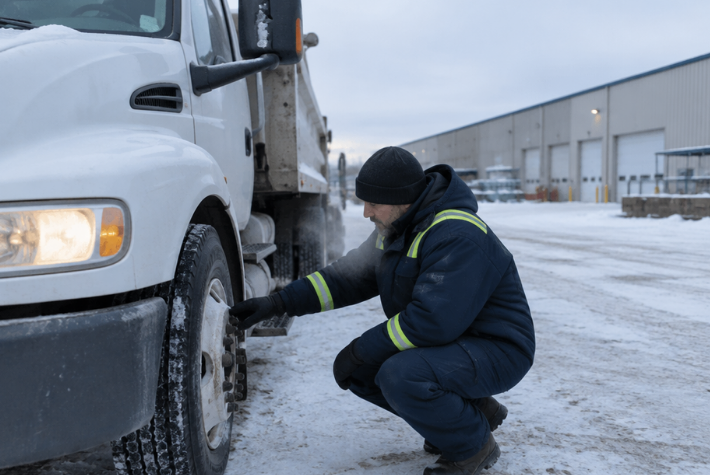
Cold weather affects the vehicles themselves. Batteries lose strength, fluids thicken, and units that sat unused can be slow to start. Before pickup, check that each vehicle is fueled, that the battery is in good shape, and that anything a driver needs to start and operate the unit is available.
Share the vehicle type and any known issues with your transport partner in advance. A short readiness check saves time at pickup and avoids delays on the road. Good vehicle transport Chicago providers ask about vehicle condition before they dispatch a driver, because a cold unit that will not start can undo a carefully built schedule. Driveaway services Illinois fleets use in winter work best when the vehicle, the driver, and the pickup site are all ready at the same time. This matters most for fleet transport Chicago operators who move several units at once, because one unit that will not start can hold up the whole group.
Move 4: Use Chicago as a Cross-Country Hub
Chicago is a strong launch point for long trips. A fleet leaving the metro area can reach the Great Plains, the East Coast, and the South by interstate, and a driver can often start a long leg on a clear highway soon after leaving the city. That advantage is one reason a vehicle transport Chicago job so often turns into a coast-to-coast move.
For trips that cross several states, planning the full route matters more than the first leg. Our nationwide route coordination service helps map multi-state trips, and our page on long distance vehicle transport explains how cross-country moves work. Truck delivery Midwest teams also benefit from our guide to nationwide fleet relocation when a move involves many units.
Vehicle Transport Chicago Corridors at a Glance
| Corridor | Where It Leads | Planning Note |
|---|---|---|
| I-90 | Wisconsin to the northwest, Indiana and Ohio to the east | Check winter conditions on both sides of the lake |
| I-94 | Milwaukee to the north, Detroit to the east | Busy with local and freight traffic |
| I-80 | Iowa and the Plains to the west | Strong for long westbound trips, watch for wind |
| I-55 | St. Louis to the southwest | Main route for southbound and southwestern moves |
Planning a fleet move in the Midwest? Contact The 1987 Group with your pickup location, destination, and timeline, and our team will review the route with you.
How The 1987 Group Handles Vehicle Transport Chicago
The 1987 Group is a driveaway company that moves single units and full fleets for businesses across the country, including the Chicago area. You can see how we work in the area on our page for driveaway services in Chicago. Our Chicago moves follow five steps:
- Custom quote. We review your vehicles, pickup, and timeline.
- Winter-ready dispatch. A driver is assigned with cold-season conditions in mind.
- Secure cold-start pickup. Each unit is checked and documented at pickup.
- Active route management. We watch the route and adjust as conditions change.
- Documented delivery. The vehicle is delivered and documented at the destination.
Our services include fleet vehicle transport, single vehicle delivery, specialty vehicle delivery such as bucket trucks, long-distance transport, expedited delivery, and CDL driver services. That range makes vehicle transport Chicago jobs simpler for teams that move more than one type of unit.
Frequently Asked Questions About Vehicle Transport Chicago
What is vehicle transport Chicago businesses use for fleets?
It is driveaway service in which professional drivers move commercial vehicles from one location to another. Fleets use it to relocate trucks, vans, and work vehicles in and out of the Chicago area.
How does winter affect fleet moves in Chicago?
Snow, ice, wind, and short daylight hours can slow or close roads. Building extra time into the schedule and checking weather along the whole route protects the delivery date.
Which highways matter most for Midwest fleet moves?
Interstates 90, 94, 80, and 55 carry most commercial traffic out of the metro area. The best choice depends on the destination, traffic, and weather.
Do I need to prepare vehicles for cold-weather pickup?
Yes. Check fuel, battery health, and anything a driver needs to start and operate the unit. A short readiness check avoids delays at pickup.
Can Chicago be a starting point for cross-country moves?
Yes. Interstates from the metro area reach the Plains, the East Coast, and the South, which makes Chicago a practical launch point for vehicle transport Chicago customers who need long-distance and multi-state trips.
Conclusion
Strong vehicle transport Chicago planning comes down to four habits: know the corridors, plan around winter, prepare vehicles for the cold, and use the metro area as a hub for longer trips. Done well, a tough market becomes a dependable one, and a winter route becomes a plan you can trust. The 1987 Group helps businesses plan and complete these moves across the Midwest and the rest of the country.
Call (631) 855-0997 or request a quote online to plan your next Chicago fleet move.
